

Plant Bio
Dombeya wallichii, commonly known as Pink Ball Tree or Tropical Hydrangea, is a flowering shrub or small tree native to Madagascar and other tropical regions. Here’s a description and care guide for Dombeya wallichii:
Description:
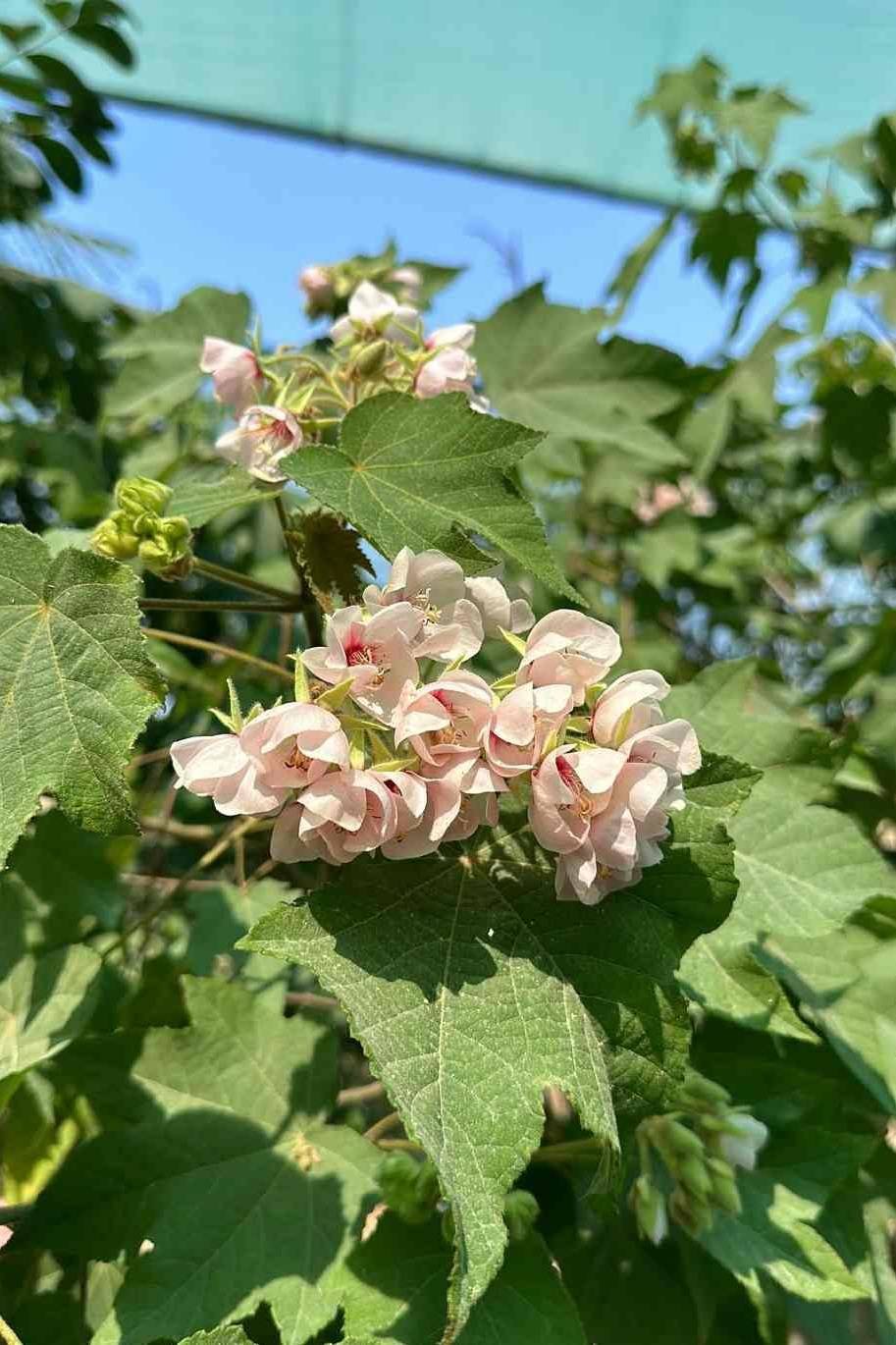
Foliage: The leaves are heart-shaped, deeply lobed, and have a velvety texture. They are medium to dark green and provide an attractive backdrop to the flowers.
Flowers: Dombeya wallichii is known for its large, showy clusters of pink or rosy-mauve flowers. The blooms are spherical, resembling pom-poms, and they appear in profusion during the cooler months. These flowers are visually similar to hydrangeas, hence the name Tropical Hydrangea.
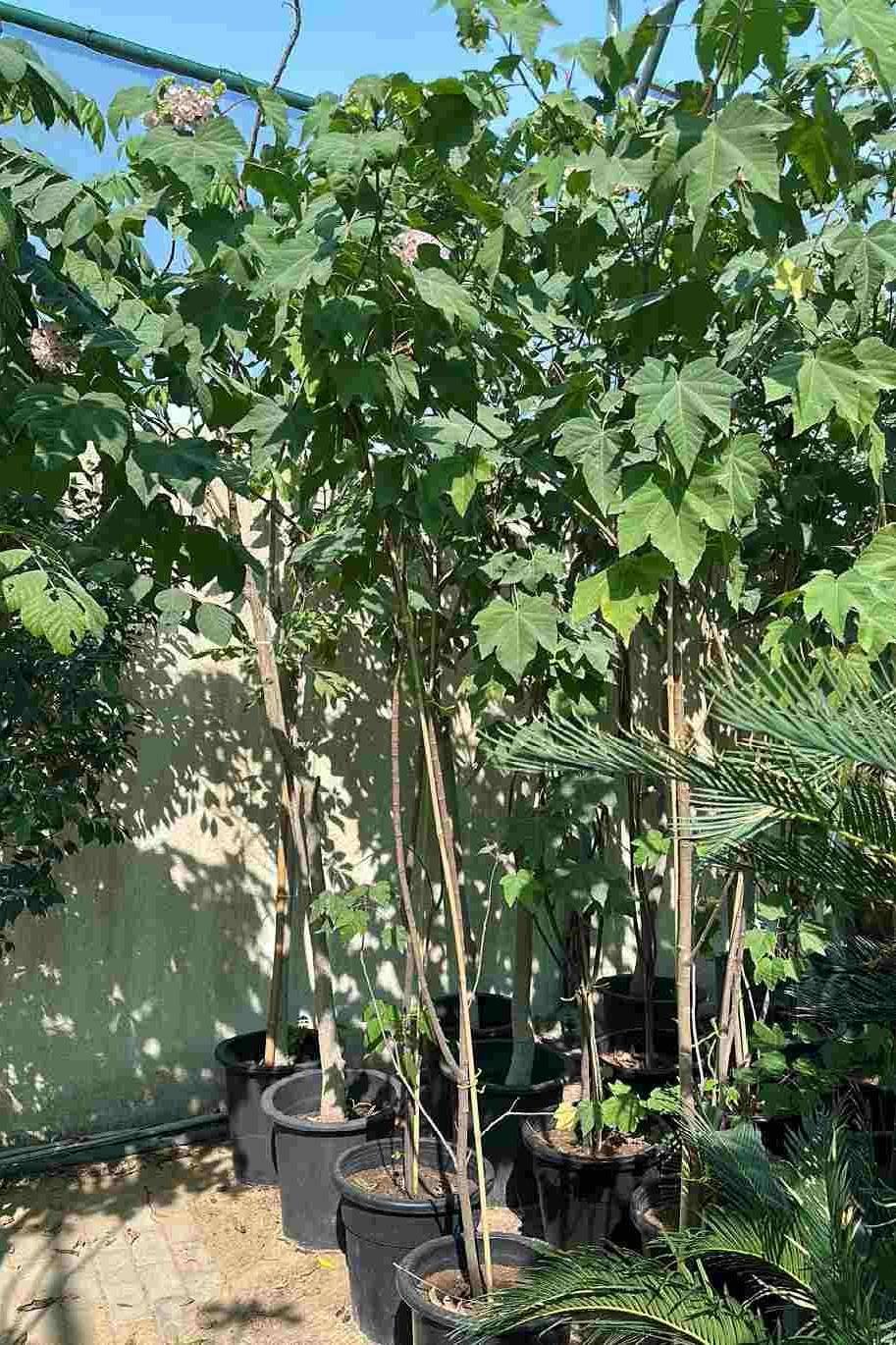
Size: It can grow as a large shrub or small tree, reaching heights of about 10-15 feet (3-4.5 meters) tall and spreading about 8-12 feet (2.4-3.7 meters) wide.
Care Guide:
Light: Plant the Pink Ball Tree in a location with full sun to partial shade. It tends to bloom more profusely in full sun but can tolerate some shade.
Temperature: It prefers warm climates and is suitable for USDA hardiness zones 9b to 11. It is sensitive to frost and prefers temperatures above 50°F (10°C).
Watering: Provide regular watering, especially during dry periods or when the plant is establishing itself. Ensure the soil remains consistently moist but not waterlogged.
Soil: Use well-draining, fertile soil. A loamy soil enriched with organic matter is ideal for this plant.
Fertilization: Feed the plant with a balanced fertilizer during the growing season, typically in spring and summer. Follow the manufacturer’s instructions for application.
Pruning: Prune after flowering to shape the plant and remove dead or diseased branches. Pruning can also promote bushier growth and more abundant blooms.
Pest and Disease Management: Dombeya wallichii is generally resistant to pests and diseases. However, watch for potential issues such as aphids or scale insects and treat them promptly if found.
Propagation: Propagation is commonly done through seeds or semi-hardwood cuttings taken in spring or summer. The plant can also be propagated by layering.


Reviews
There are no reviews yet.