
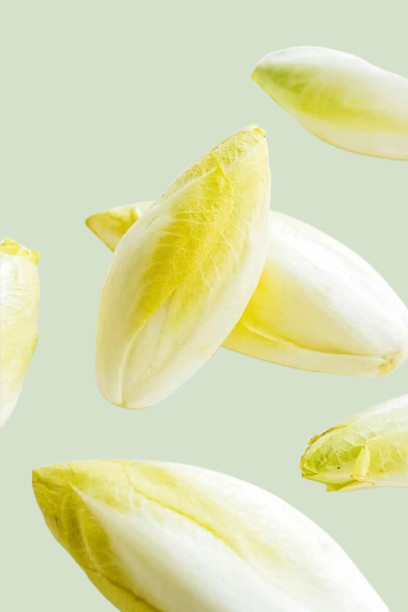
Product Bio
Like lettuce, endive is a cool season crop and grows best with temperatures in the 60Fs. Warm temperatures not only can make the greens bolt (form a flower stalk), but also taste more bitter. It’s best to plant endive 3 weeks before your last frost date — April and May. Grow a fall crop sowing seeds or transplants in late summer for an autumn harvest. To get a jump on the season you can also start seedlings indoors 3- to 4-weeks before your planting date.
Endive grows best in full sun. It can tolerate only 2- to 3-hours of sun a day and still produce an edible plant, but the heads won’t be as well formed. It needs a well-drained, moist soil. If growing on heavy soils, consider planting on an 8-inch tall and 3-foot wide, raised bed.
Once the seeds germinate, thin. Use the thinnings in salads. Keep thinning until the heads are spaced 7 inches apart in the rows. Keep the beds well watered. If the bed dries out, the heads will become more bitter flavored. Hand weed and then mulch with a layer of straw or untreated grass clippings. Fertilize the young seedlings with fish emulsion after thinning and again 3 weeks later.
To create and even milder flavored head, you can help blanch (block the light) the heads by placing a pot over the heads 2 weeks before harvest.
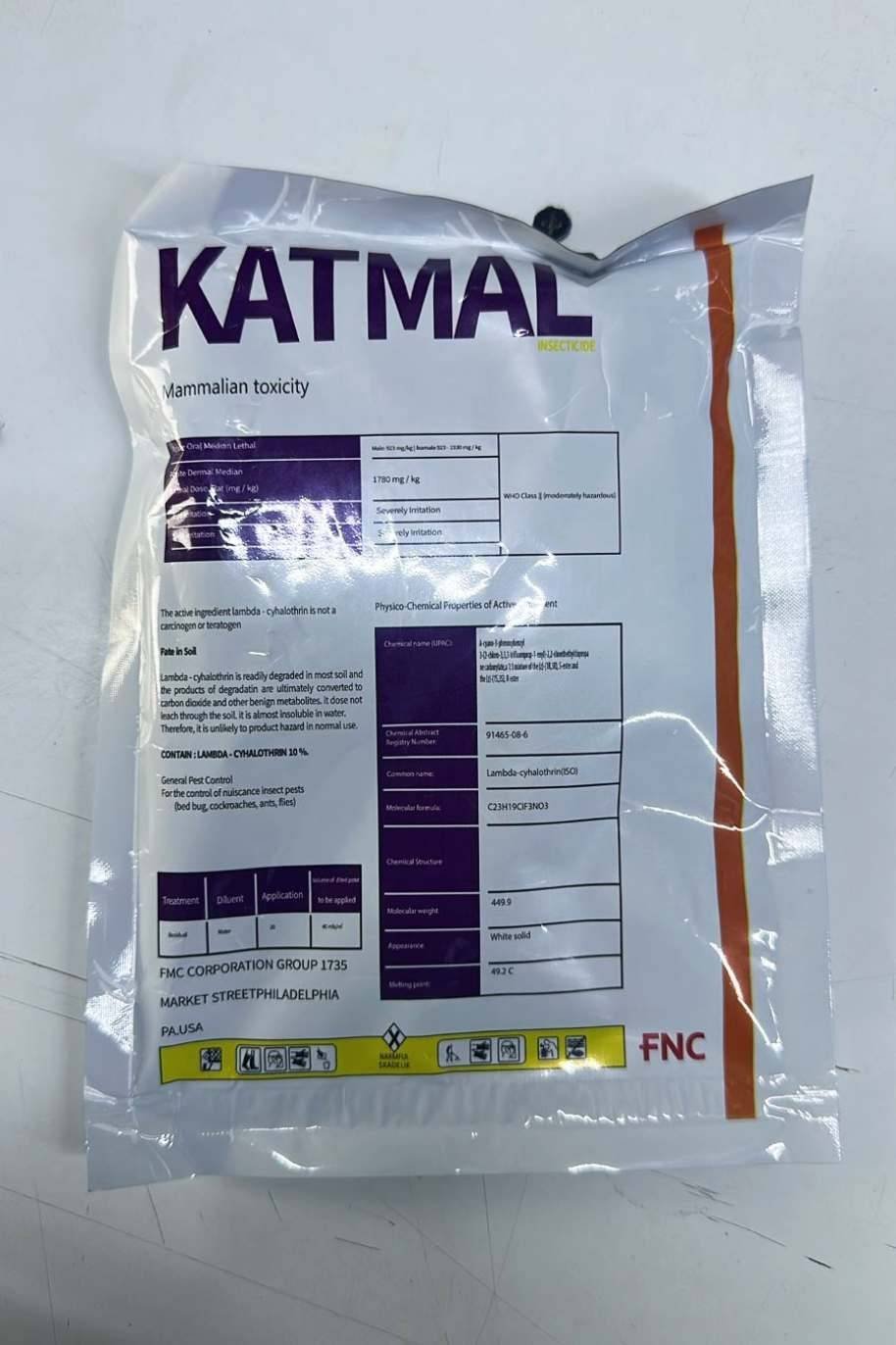
Although not as attractive to pests as lettuce, endive still has its share of problems. Rabbits and woodchucks love the young greens, so fence to keep these critters out. Aphids will feed on the tender leaves. Spray insecticidal soap to ward them off. Slugs and snails will also munch on the leaves. Use beer traps to catch and kill them, copper flashing, sharp sand, or crushed sea or oyster shells to ward them off, and iron phosphate bait to lure and kill them. Space plants properly to avoid rot diseases.

Reviews
There are no reviews yet.